

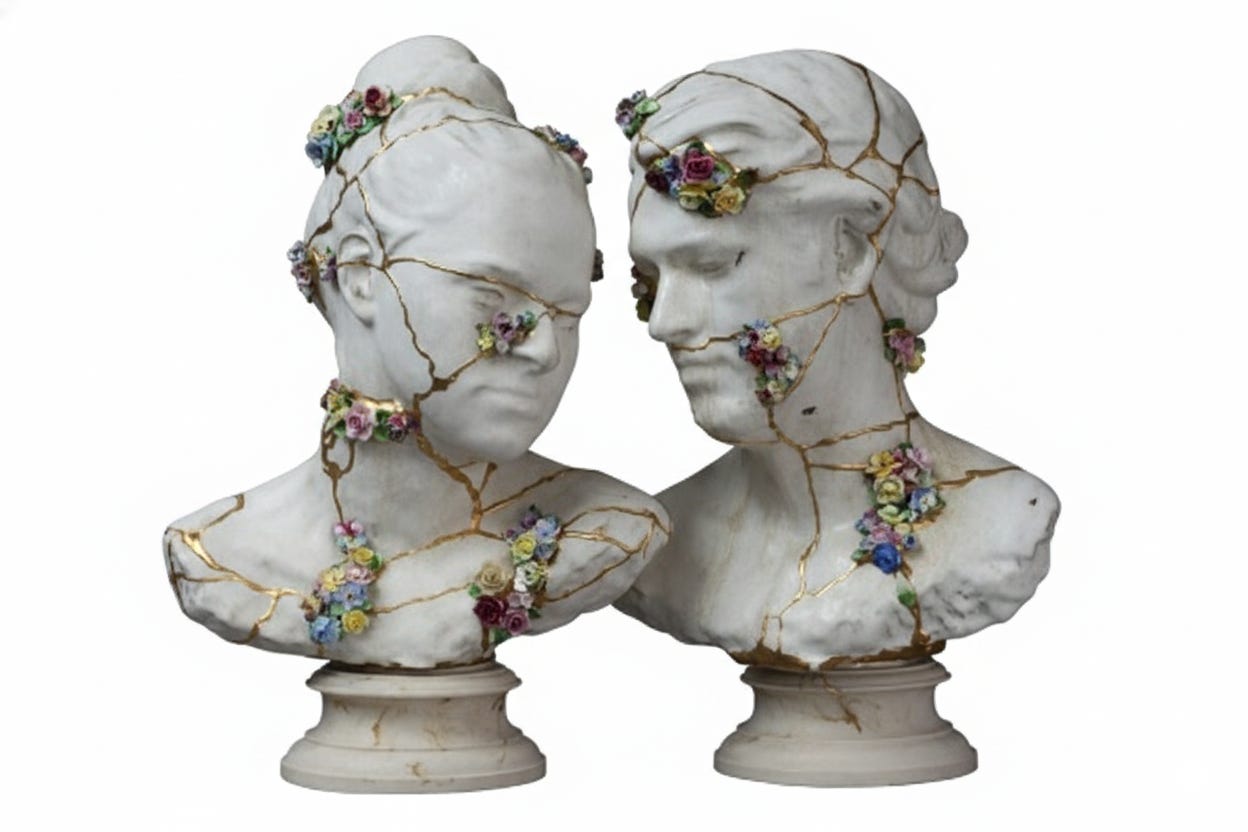
My mom was hugging me at the gas station the other day, for no particular reason. We probably looked like weirdos. But my mind was on something else: When are we going to get over each other already?
“I remember when you were a little itty-bitty peanut,” she said.
Plenty of time to grow weary of each other’s company. Now that I think about it, we probably did. It took a long time. Maybe up until a couple of years ago, when I packed a bag and stormed out of the house.
My mom didn’t like me at all. The feeling was mutual. She seemed ill-prepared to handle someone only casually considering recovery. I probably seemed cold, indifferent, shifty, sometimes mean — insert all the other charming qualities you might expect from a drug addict.
Our relationship, since I was a kid, had been like two souls holding hands. That day, it felt like we both let go at the same time.
But, as she reminded me later — when we both vowed to take this journey seriously — her hand never stopped reaching for mine.
How do you do that — not be able to breathe the same air as someone while loving them at the same time?
Maybe she loved the person she imagined I could be — if only free from a habit that pulled my strings. Maybe she loved the pieces of me that she hoped I would one day put together again. At least, that’s what I like to believe. The alternative would be that my family is mentally unwell. That’s probably my fault. I probably broke them.
Some people break beautifully. That's why the term, ‘recovery’ doesn't feel quite right.
Think about it: what exactly am I looking to recover? The functional professional from about 20 years ago — a son, who dutifully called his mom twice a week? Honestly, I don’t think there’s much about that version of me that anyone would actually miss. Probably, we’d have to go much further back to find someone worth recovering. Like kindergarten.
It isn’t so easy for grownups to find their inner toddler. I try every day. Maybe, instead of ‘recovery,’ it might be time to look at this journey in a different light.
Maybe it's time to re-form.
Like kintsugi, the Japanese art of repairing old, broken ceramics, while also transforming them into something new. Meaning ‘beauty in the broken,’ kintsugi celebrates the scars.
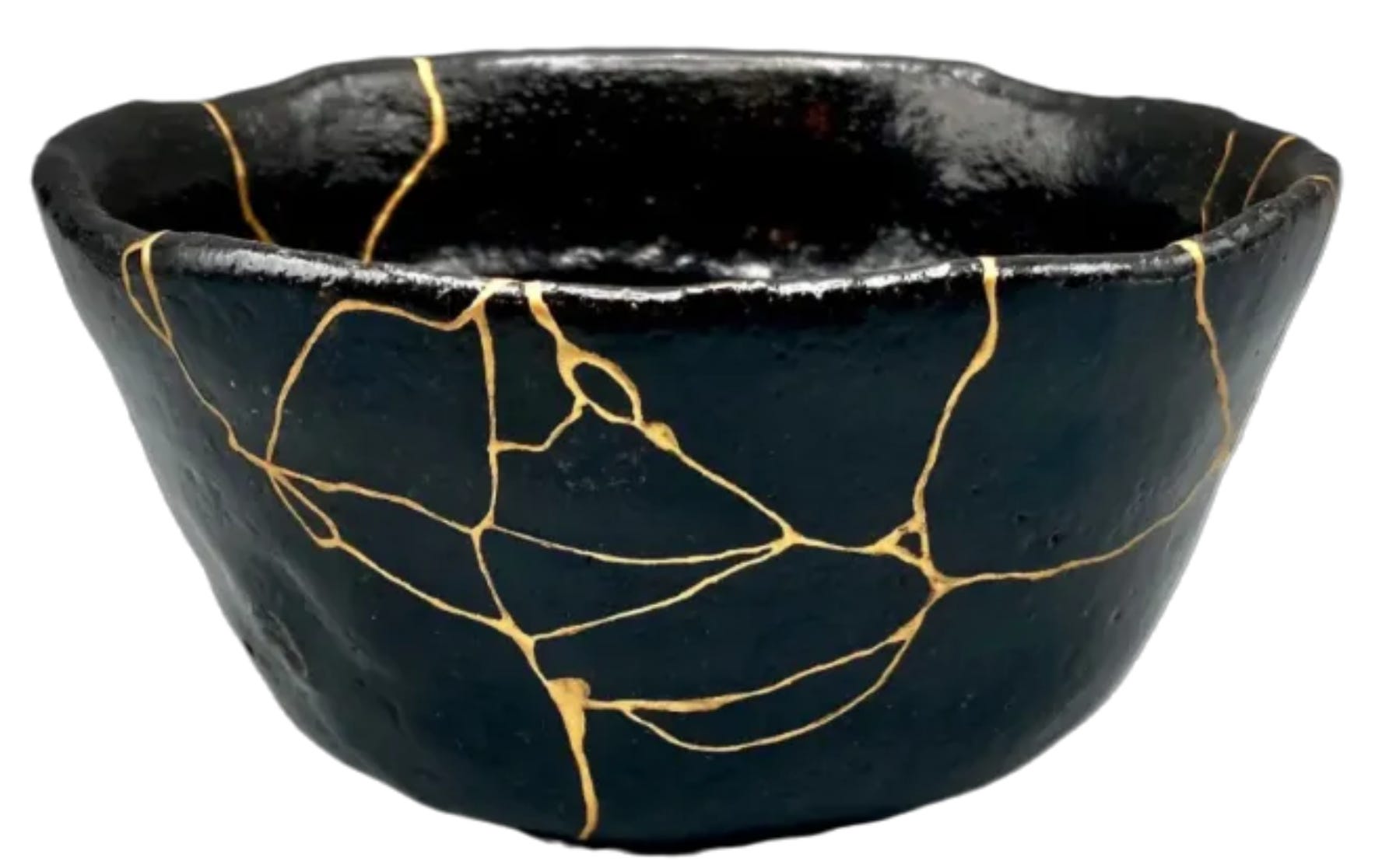
Addiction has a way of chipping away at us, and creating fault lines that inevitably lead to collapse. When we put these lives back together, they’re stronger. Re-formed addicts are scarred and storied. Some experience a kind of spiritual supernova. It's the triumph of a soul slashed and torn, only to be born anew.
Sure, we may lose something along the way. But even eagles lose a feather every now and then.
We don't ‘recover’ past versions of ourselves. Most of the pieces are still there — and maybe we picked up a few others along the way — but the vessel is new. And that gives everyone a chance to love us all over again.
Like an itty-bitty peanut.
You touch my heart in every blog I read. You are an incredible inspirational individual. I thank you for sharing.
Thanks Christian.