

“The greatness of a nation and its moral progress can be judged by the way its animals are treated.”
I used to find both hope and despair in Mahatma Gandhi’s words. Hope, because he defined compassion — not technological prowess — as the hallmark of a great society.
And despair because, well, we killed Gandhi.
I’m going to hazard a similar sentiment: The measure of humanity is how we treat our weakest members — its old, its infirm, its addicts.
But a glance at my social media feed suggests we’re making an abysmal case for ourselves.
In this Instagram video, for instance, an influencer tours downtown Toronto’s Union Station.
There’a wild-eyed, shirtless man jumping and clapping. Another man lies dead still on the concrete. Don’t worry, someone assures us, he’s still breathing. Phew.
Moving on then, there’s a minor drug deal between two worn-looking men and another hapless soul nodding off in a filth-strewn corner. All to a catchy song by Tricky.
This doesn’t add anything helpful to an already toxic conversation surrounding addiction and mental health. It’s trainwreck-spotting.
In the video, the most telling details are etched on the blank faces of passers-by. Those are their everyday faces. This is an everyday hell.
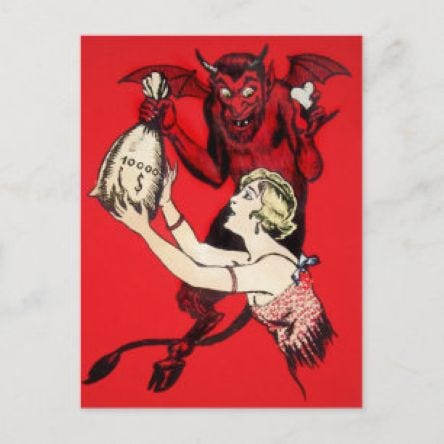
Speaking of hell, I’m reminded of some of the bleakest works of Charles Dickens some 170 years ago.
Dickensian times were the worst of times. He decried the ravages of the Industrial Age — the dehumanization and exploding social inequality, and the exploitation of the lowest classes. Hard Times, indeed.
Back then, society had the appropriate response: horror. And Dickens used his platform to raise public awareness and advocate for reform.
Today, it’s the even-worse of times: The Age of Indifference. Every day, we wade through the horrors of a society unhinged. And the only ones who bother to acknowledge the catastrophe in plain sight are the merchants of misery — influencers who trade tragedy for hearts and likes. Dickheadsian times.
But while they’re harvesting despair, they’re also painting a portrait of us all — trending into monsters. And, sadly, we live in the kind of society where that picture is also worth a thousand likes.