

I used to love drug-addled literature. Irvine Welsh, Hunter S. Thompson, William S. Burroughs.
It wasn't so much about the lifestyle. I got high just reading about all that drug-addled carnage.
How do you not feast on Fear and Loathing in Las Vegas? I had a friend who showed up at a university house party with a copy of it. He sat on the sofa behind the DJ — and read the whole thing from cover to cover.
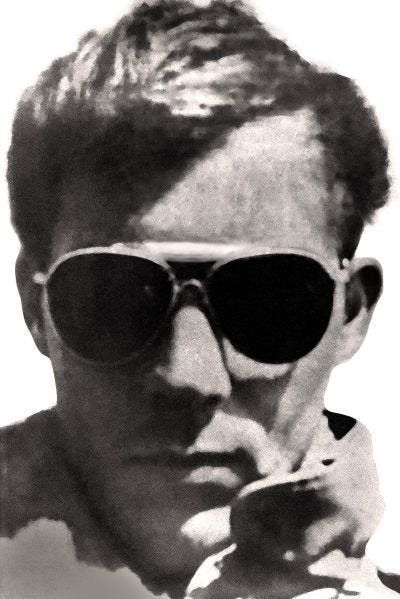
You know when I stopped thinking drug-lit is cool? Recovery. I even started to get a sneaking suspicion that my heroes may actually be gifted villains. Think about it: When Thompson writes about drug culture — as a keen participant — who is he helping?
Only himself — to fame and fortune. Same with Welsh, and — I’m sorry to say — Burroughs.
And I can’t blame them. They probably asked themselves the same thing I asked when I was an addict. How can I turn this catastrophe into something good? That’s human nature.
Maybe drugs didn’t totally ruin my life. Maybe there’s a book deal to be had!
So, in the shadow of those giants, I wrote my ‘great’ drug novel. The adventures of a time-travelling crack smoker!
It sits under my bed.
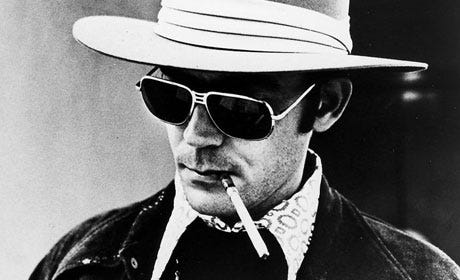
Funny, though, as my recovery gained more traction, the book began to slip from my mind. I realized that, like my former heroes, maybe I was also looking to turn tragedy into gold. Real gold. And maybe even sell the film rights.
Instead of helping others, I, too, looked to help myself on the back of addiction.
“I think this comes from an addict’s mentality,” a friend observed. “Everything is all about you and yourself and be your drug. It’s not thinking ‘Is this helpful to anyone else?’”
If I wasn't an active addict, certainly, I was acting like one. It was all about me.
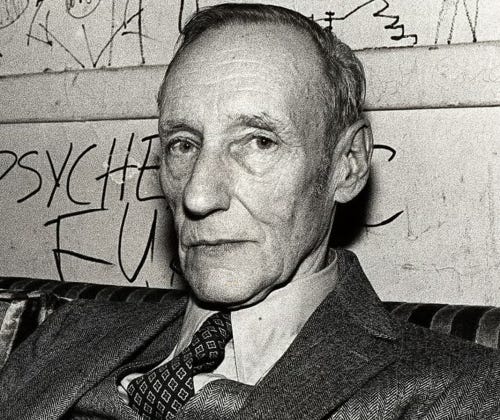
As I overcame addiction, I found new heroes. Writers like Gabor Mate, who worked as a doctor among addicts in Vancouver’s Downtown Eastside. And Gordon Llownds, who penned a book about his own struggles with addiction. As a successful businessman, Llownds is plenty rich, without having to shill books. And he still sees a need to share his experience and insight, in hopes — yes, hope — of making a difference in some lonely addict’s life. Then there’s the ultimate anti-gonzo writer, Benjamin T. Fong, who explores the harrowing sociopolitical fallout from America’s misguided obsession with drugs.
No, there won’t be a movie.
But these authors, along with a handful of names most of us haven’t heard of, plumb the underbelly of society. And they emerge with a vision for the future. They dare to bore us with hope!
Unlike Welsh and Thompson, they don’t traffic in cartoon versions of a turbocharged drug culture. They traffic in truth, detoxifying a public discourse that has proven fatal for addicts.
These are the heroes we need.
That’s why the manuscript will likely gather more dust under my bed. I want to follow in the footsteps of real pioneers. The kind of people who chose not to steal the only thing our society values in addicts — their stories.
They chose, instead, to help them. Even knowing that carnage sells. And hope will never be the life of the party.
These magical days....I live with a magical human.