


With the murders of Rob Reiner and Michele Singer Reiner — allegedly by their son, Nick — I’m heartsick for the obvious reasons.
But, as a recovering crack smoker, I see another tragic dimension. An addict may have committed them. What’s worse, is how the story is unfolding. After a whopping 17 attempts at going clean, Nick Reiner had moved back to his family home in LA’s posh Brentwood neighborhood.
From there, the story gets a little less clear. We know that Rob and Michele were found at home Sunday with their throats slashed. If you’re already tired of this story, my sympathies. You’re going to hear a lot more of it. Sadly, it doesn’t mean any of us will be closer to understanding it.
These were senseless killings. Most of all to us — the studio audience that gets its narrative exclusively from news reports and social media hot takes.
The thing is we have an almost primal need to make sense of it. We can’t live in a world that doesn’t add up. The brain won’t allow it. It’s constantly processing and organizing — placing every sensation and experience in the ‘right’ place.
Even if it takes shortcuts and ends up wrong.
So what do we really know about the Reiner murders? Only that it’s likely that Nick committed them. And what do we know about him? He’s struggled mightily with addiction. Early in this American horror story, that’s all we’ve got.
And that means people struggling with addiction are in for a lot of bad press.
Because, so far, the fact that he was an addict is the only reason we’re given for this horrific crime. Our minds, given no other information concludes that the drugs made him do it.
It’s Reefer Madness, all over again.
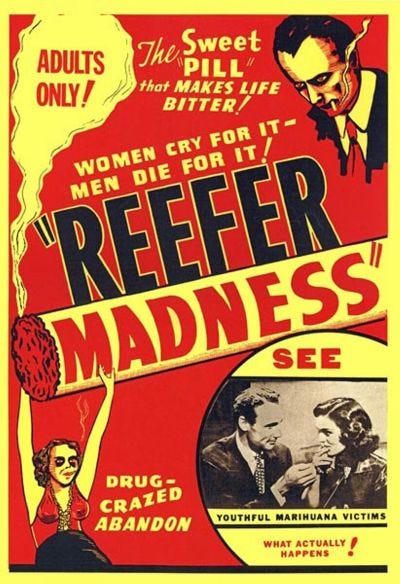
The Reiners were Hollywood royalty. And, as breathlessly reported, they were very large-hearted people. Indeed, they were so loving, they even gave their prodigal junkie of a son another chance. And, as the narrative continues, it killed them.
If only, instead, we could find a way to leave a senseless act at just that. Senseless.
But our speculative social-media-addled culture conspires against it.
In the last year, I’ve made staggering inroads into my own head. I’ve learned more about myself than I have in my whole life.
And I can safely say that I haven’t even scratched the surface of what’s in there — the myriad behavioral patterns that led to my personal catastrophe.
How am I supposed to plumb the depths of someone else’s brain? Much less a man of such enormous wealth and privilege, Nick might as well have lived on another planet. I don’t know the first thing about what was going through his head, much less what he lived through and may have had to endure.
The only thing the Reiner tragedy demonstrates is that privilege can’t save addicts. Just ask people like broadcaster Scott Oake, who lost his son to drugs. Or Canadian businessman Gordon Llownds, who barely lived to tell the tale of his own addiction.
I mean, Nick’s own parents couldn’t understand his trauma, how am I supposed to diagnose him?
But we’ll likely take the easiest answer we’re given. Bad druggie. And the conversation around addiction will take another toxic turn.
It seems that it’s easier to heap more misunderstanding, hysteria and scorn on the addict, then it is to simply accept the obvious.
We don’t have a fucking clue.
But if we really must draw an easy conclusion from this tragedy, how about this?
There are bad people. And sometimes, bad people are addicts.