


When I first came home after years in drug-addled exile, I was a hot topic.
A dizzying cast of friends and family materialized to make polite inquiries.
“He’s doing really well,” my mother would tell them. “We’re taking it one day at a time.”
“And how’s Thomas today?” they’d ask, in a follow-up call.
He’s great. He’s taken up needlepoint and he’s training to be a professional ventriloquist. Nah. They wanted the dirt. Is he back on the pipe or what?
It was so annoying I begged my mother to circle the wagons, call it a private affair and let me recover in peace!
“It’s my disaster,” I grumbled. “I earned it. Please stop sharing it with everyone.”
The healing process felt like it was supposed to be a hurting process. A private and painful reckoning for me alone.
A test of my resilience.
My mother didn’t pay me any mind. She sat back and let the antidepressants go to work, figuring I’d wake up a little less salty by the day. And sure enough, I did warm up to being the resident ex-junkie.
I don’t think it was the pills though. I think it’s because I finally, fully surrendered to recovery. I began to brandish the past as an important piece of my present. It was transformative.
I’m reminded of a friend who tried to convince that I could change years ago. I was in the midst of a death-defying drug binge when she called.
“I’m fine,” I said, drooling into the receiver. “Just a rough patch. I’ll get through this.”
Before she hung up, my friend said, “It’s never too late to change course.”
If only she knew how many times I had tried to be a different person. It just never stuck. Until I finally came clean — and learned to be vulnerable. Everything that grows in this world starts out soft and tender. So, too, it seems, the human heart.
Some people just want to grit their teeth and get on with life. But life isn’t to be gotten on with. It isn’t a race from A to Z. It’s about learning the whole alphabet, even the nuance of the spaces in between.

Of course, there’s plenty of hurt to be had for the soft of heart. But resilience isn’t about battening down the hatches for Tropical Storm Trauma. According to this professor from the University of Connecticut, that’s just plain unhealthy.
“Tamping down negative feelings may provide short-term relief, but over time it is associated with greater stress on your body and more difficulty adapting,” he writes.
Better to lean into what hurt you, and see where it leads.
“Illness, loss and trauma reshape how you think of yourself. Rather than clinging to who you were, resilience often involves expanding who you are becoming.”
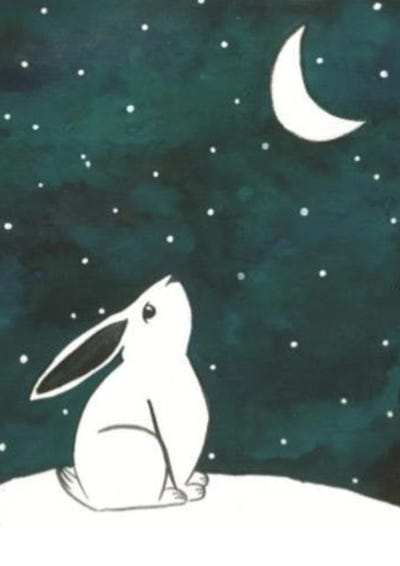
Today, I’m tracing new constellations from wounds both old and new. And I’m not afraid to show them to you. Everybody hurts. Every day, a scar is born.
Resilience is learning how to dance with them.
And probably, allowing yourself to become vulnerable was possible because you had a safe place to land where you could begin to lick your wounds.
Thanks Christian, warm thoughts.