

This is probably going to be an unpopular opinion. I should mention, in case you haven’t noticed, that I’m not an addiction expert.
My goal in recovery isn’t to abstain from drugs.
To be sure, getting high again isn’t anywhere near my life goals right now. After the horrors I’ve known as an addict, that divorce feels final. In fact, I’m building the kind of life that not only makes drugs incompatible, but profoundly undesirable.
But here’s the thing: I don’t think drugs were ever the whole problem. I think something inside me was broken long before they showed up.
Somewhere along the line, I damaged my governance module — the internal system that recognizes when I’m drifting away from the life I want and gently steers me back.
A kind of conscience.
I don’t know exactly when it happened. Maybe something from the past finally rose up and tore into my present. Maybe old hairline fractures finally became fissures.
When I used to do coke on a Friday night, I’d spend all of Saturday reading, bathing, drinking smoothies, and generally feeling quite ashamed of myself. The rubber band always snapped me back to reality.
Never again, I vowed!
Until next Friday. It wasn’t the healthiest attitude towards weekend recreation. And, looking back, it wasn’t even fun. Worse, that attitude led to certified catastrophe.
Instead of bouncing back after a weekend binge, I hungrily looked to return to a high state of mind as soon as possible. Even if it meant cheating a little, by calling in sick to work on Monday. Or sneaking in a mid-week session.
I wasn’t doing drugs any more.
I was on them.
Being high became a preferred state. My default.
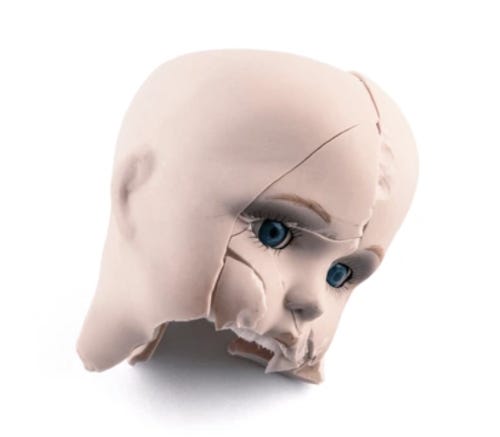
In recovery, I’m not focused on how long I can endure this life without getting high. I’m trying to repair what failed me.
That’s why I stopped counting my clean days. It began to feel like I was playing with dominoes — seeing how many I could stand before one inevitably fell and brought everything down.
Days are not dominoes. They’re for living.
Recovery taught me that abstinence solved an urgent problem. It didn't explain why I'd spent years trying to disappear in the first place.
For me, drugs became the magician's trick of addiction: the hand I kept watching while the real trick happened somewhere else. We’re fighting the symptoms, not the cause. Probably because it’s much easier to demonize drugs than it is to examine ourselves.
The problem was easy to diagnose: Drugs. At first, that felt like the whole answer.
But in time, I realized ‘never’ is too big a word for that pinprick of light we call a lifetime. I don't want fear to be the only thing keeping me alive.
This probably isn’t what you want to hear from someone who used to turn his own suffering into everyone else’s problem. There’s a good chance I burned the option for ‘maybe’ — and, considering how good these days have been, I’m not complaining.
I don’t want to do anything that imperils today. It’s that good. Besides, perhaps the addict’s brain never forgets the shortcut to oblivion.
I only know this isn’t the end of the trip. If it’s going to really work, I’ve got to figure out what went wrong. I don’t want my recovery to be based solely on fear. I want to understand myself deeply enough that my choices come from freedom rather than compulsion.
Maybe doesn’t mean I’m planning an escape route. It means I’m willing to admit I don’t know everything about who I’ll become.
I’m not looking to live a life built on never. I’m trying to become the kind of person who no longer needs it.
Recovery isn’t teaching me to fear drugs.
It’s teaching me to trust myself again.
It's hard to leave a comment because my head is just swimming with thoughts about the richness of your writing.
So much easier to talk with you for hours about it all.
I loved this blog.....